Serving Cudahy, CA and surrounding areas. (213) 953-8081
Cudahy Insulation is an experienced insulation contractor serving Compton, CA with blown-in insulation, spray foam, attic upgrades, crawl space insulation, and air sealing. We have worked throughout South Los Angeles County since 2020, and most of the homes we see in Compton are 1950s and 1960s ranch-style properties still running on their original insulation. We respond within one business day and every estimate is free, with no obligation.
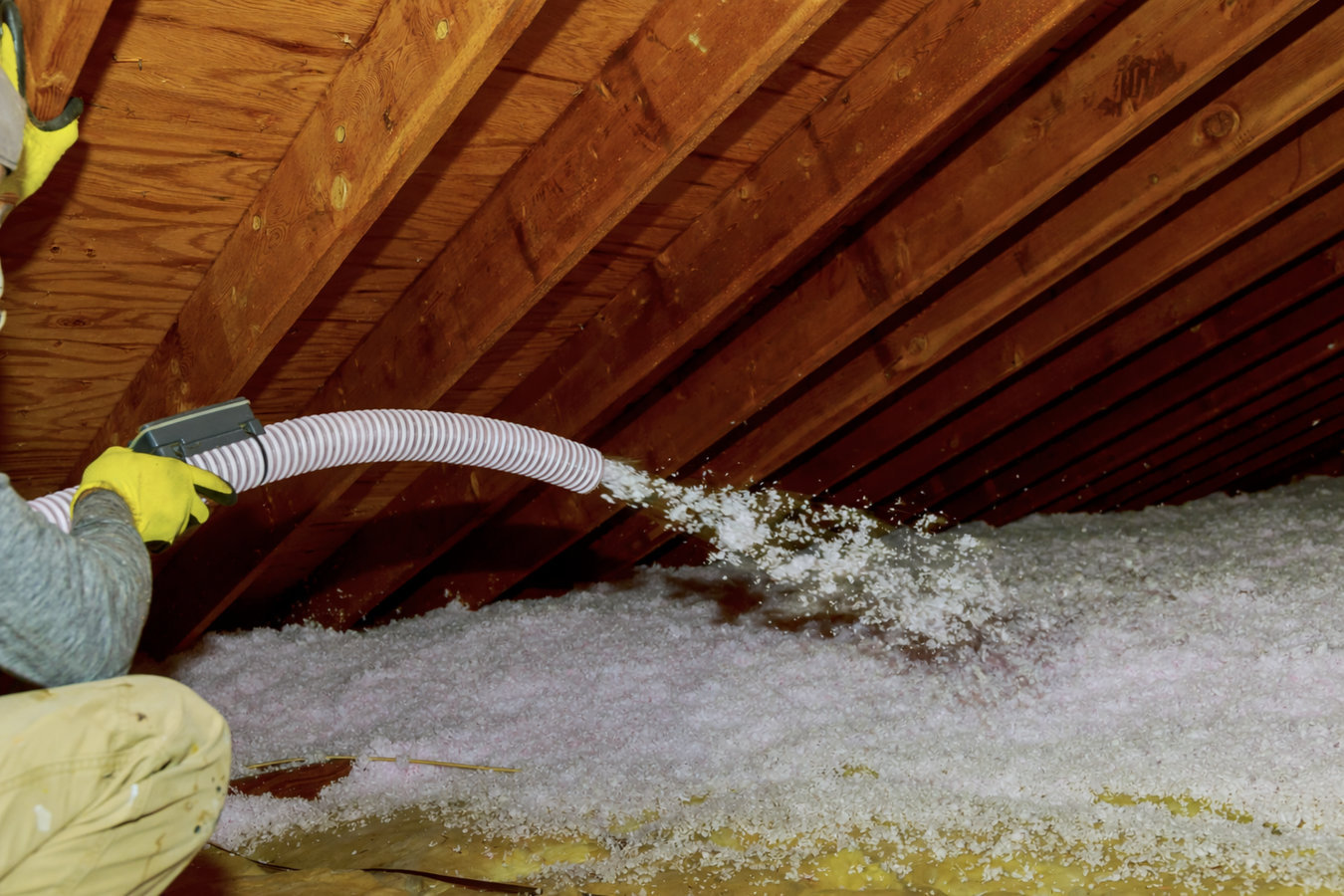
Compton's postwar ranch homes are well suited to blown-in insulation because it can be installed into existing attics without tearing into ceilings or walls, keeping the work contained and the cost manageable. It fills the low-pitched attic bays common on Compton's one-story homes completely - no gaps, no thermal bridges - and brings older homes up to current California R-value requirements in a single day for most jobs.
Most attics in Compton's 1950s and 1960s homes still contain their original insulation - material that has had 60 to 70 years to compact down well below its starting R-value. Compton summers drive temperatures into the mid-to-upper 90s from June through September, and an under-insulated attic transfers that heat directly into your living space, forcing your AC to run harder and longer. Replacing or topping up attic insulation is the single most impactful project most homeowners in this city can do.
Spray foam is the right choice for Compton homes with irregular attic framing, hard-to-reach wall cavities, or areas where both insulation and an air or moisture barrier are needed in one step. Closed-cell foam applied to slab perimeters or crawl space walls resists the moisture that clay soils introduce during the winter rainy season - a common problem in Compton's older properties that sit close to Compton Creek and other low-lying areas of the city.
Insulation slows heat transfer, but it does not stop air movement - and in a Compton home built 60 years ago, there are gaps around plumbing penetrations, recessed lights, electrical boxes, and attic hatches that let conditioned air leak out continuously. Air sealing those paths before or alongside new insulation installation is what makes the system actually perform. It is also one of the most cost-effective steps you can take before investing in a new HVAC system.
Attics in Compton's older homes frequently have original insulation that has been compromised by past roof leaks, rodent activity, or decades of accumulated airborne debris. Adding new insulation on top of contaminated material traps moisture and reduces performance over time. We handle full removal and safe disposal so the new installation starts with a clean, inspected surface.
Many Compton homes built in the 1950s and 1960s have wall cavities that were never filled with insulation - this was common practice for Southern California construction before modern energy codes required it. Injecting insulation into closed wall cavities through small holes in the exterior or interior surface is a retrofit process that avoids major demolition and noticeably reduces heat gain through walls during Compton's long summers.
Compton is one of the more densely populated cities in Los Angeles County, with roughly 95,000 residents in about 10 square miles - and almost every square foot of that land is already developed. The dominant housing type is the single-story ranch-style or bungalow home built between the 1940s and 1960s on a concrete slab foundation with a stucco exterior. These homes are now 60 to 80 years old, and the original insulation - typically thin fiberglass batts or early loose-fill material installed under obsolete codes - has had decades to compact and degrade. About 40 to 45 percent of households own their homes, giving that segment a direct financial stake in protecting properties whose values now sit in the $450,000 to $500,000 range.
The local climate creates consistent pressure on those aging building envelopes. Compton summers are long and hot, with temperatures in the mid-to-upper 90s from June through September and intense UV exposure that dries out caulk, stucco sealants, and roofing materials all season long. When the rainy season arrives between November and March, any cracks or gaps that developed during the dry months become water entry points. The clay-heavy soils under Compton's neighborhoods - the same expansive soil type common across the LA Basin - swell when wet and shrink as they dry, which gradually shifts slab foundations, cracks concrete driveways, and opens new gaps in stucco finishes around windows and at the roofline. During fire season, smoke and ash from surrounding hillside areas settle on HVAC filters and attic vents across the city, reducing system performance until they are cleaned or replaced.
Our crew works throughout Compton regularly, and we understand the local conditions that affect insulation work here. The slab-foundation homes that make up most of the city have no crawl space beneath them - which means air sealing at the attic level and around the building perimeter matters even more than it does in homes with raised foundations. We also see a lot of homes near Compton Creek where the soil stays wetter longer after the rainy season, and moisture management becomes an important part of any insulation conversation.
Compton is connected to the rest of the LA region by the 710, 91, and 105 freeways, and the Metro A Line runs through the city with stops that make it easy to get around without a car. We know the neighborhoods well - from the streets near Compton City Hall on Willowbrook Avenue to the residential blocks along Central Avenue and out toward the edges of the city near Paramount and Carson. We handle permitting through the City of Compton when required and know exactly what the local building department needs.
We also serve nearby cities that share the same housing challenges. If you have a neighbor or family member in Cudahy or Lynwood who needs insulation work done, we cover those areas with the same crew and the same response times.
Call us at (213) 953-8081 or use the contact form on this site. We respond to every inquiry within one business day and typically schedule a visit to your Compton home within a few days of first contact.
We come to your home, inspect the attic, walls, and any other areas of concern, and give you a written estimate with the full scope and price before anything is scheduled. No charge for the assessment, no pressure to commit - you decide with full information.
Most insulation jobs in Compton finish in one to two days. Attic work stays contained to the attic space - you do not need to vacate your home - and we clean up the work area completely before we leave.
When the work is done, we walk you through what was installed, where it was applied, and what you can expect to see in your energy bills. If a permit was needed, we handle the inspection coordination with the City of Compton so you do not have to manage that process yourself.
We serve Compton, CA and respond within one business day. Free assessment, no obligation - just an honest scope and a clear price.
(213) 953-8081Compton sits in the southern part of Los Angeles County, bordered by Lynwood to the north, Carson to the south, Paramount to the east, and Gardena to the west. The city covers roughly 10 square miles and is almost entirely built out - the residential and commercial fabric is continuous, with very little open land remaining. Most of the housing stock consists of single-family ranch homes and small bungalows built in the 1940s, 1950s, and 1960s on slab foundations with stucco exteriors and small to medium lots. There are also duplexes and small apartment buildings scattered throughout the city, many of the same era. Compton Creek runs through the city and drains into the Los Angeles River - it is a recognizable geographic feature for longtime residents, and neighborhoods along the creek can see more ground moisture than areas farther from it.
The city is well connected by the 710, 91, and 105 freeways, and the Metro A Line stops at Compton Station and Artesia Station, giving residents transit access to downtown Los Angeles and Long Beach. Compton City Hall on Willowbrook Avenue and the Compton Courthouse on Acacia Avenue are the main government buildings most residents have visited for permits, utilities, or other city services. Neighboring cities like Cudahy and Lynwood share the same postwar housing stock and face the same insulation and energy efficiency challenges that are common throughout this part of Los Angeles County.
Seals gaps and creates an airtight barrier for lasting energy savings.
Learn MoreProtects floors from moisture, cold, and energy loss below your home.
Learn MoreHigh-density foam offering superior R-value and moisture resistance.
Learn MoreLightweight foam that expands fully for excellent soundproofing coverage.
Learn MoreDurable insulation solutions sized for warehouses, offices, and retail.
Learn MoreProfessional vapor control that protects walls, floors, and structure.
Learn MoreCall Cudahy Insulation at (213) 953-8081 or request a free estimate online. We serve Compton, CA and respond within one business day - no obligation, no pressure.